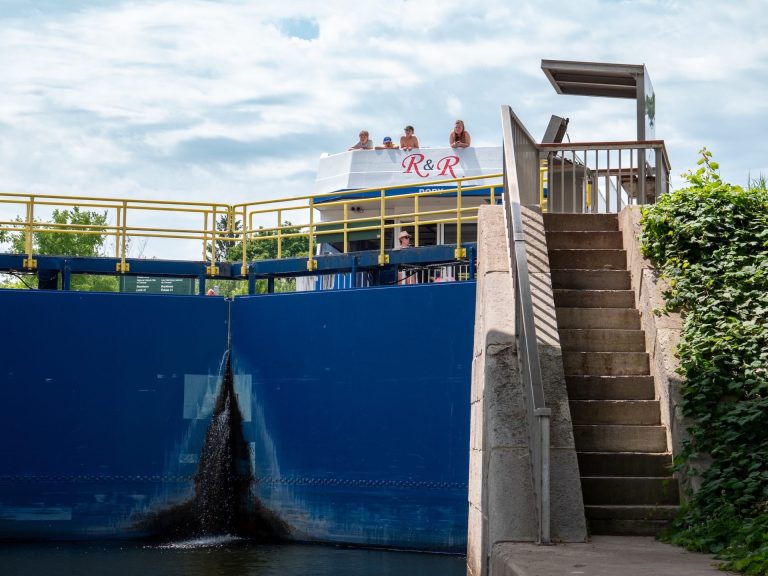
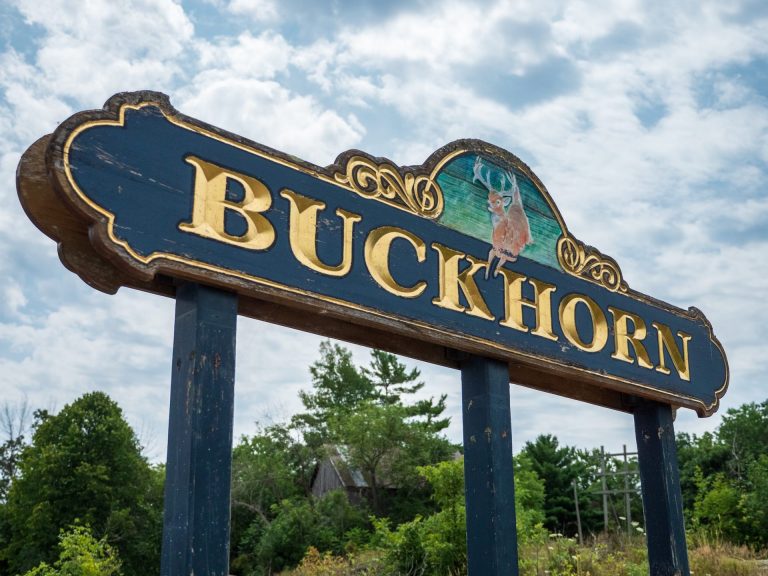
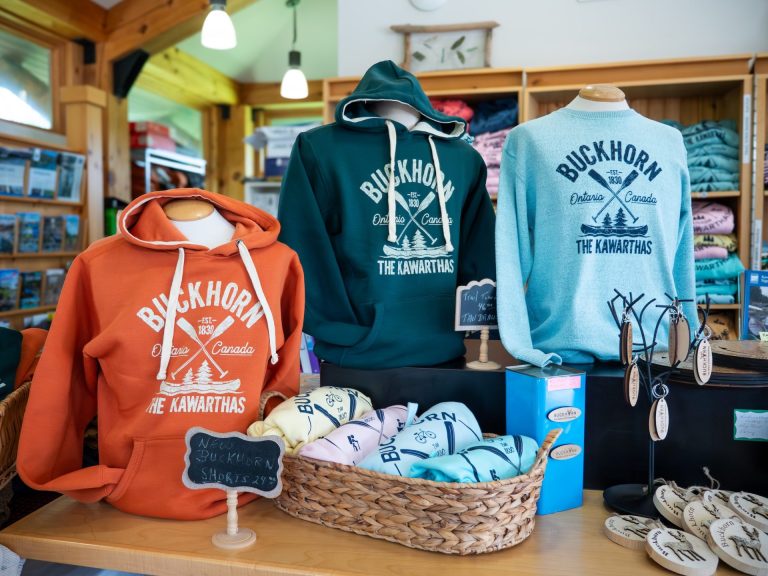
Buckhorn is located on the land between the Canadian Shield and the St. Lawrence Lowlands, providing a unique landscape of rolling hills, lakes, and granite. Nestled in the quaint downtown, Lock 31 is one of the busiest locks on the Trent Severn Waterway. Restaurants, shopping, a park and attractions are within walking distance. With an award-winning art and craft show that showcases local talent, strong ties to Canadian veterans, and incredible Indigenous culture, there is something for everyone. Whether you are visiting us by land or water, Buckhorn’s Welcome Centre is happy to help you plan your visit.
Discover Buckhorn
Browse Indigenous Artwork and Crafts
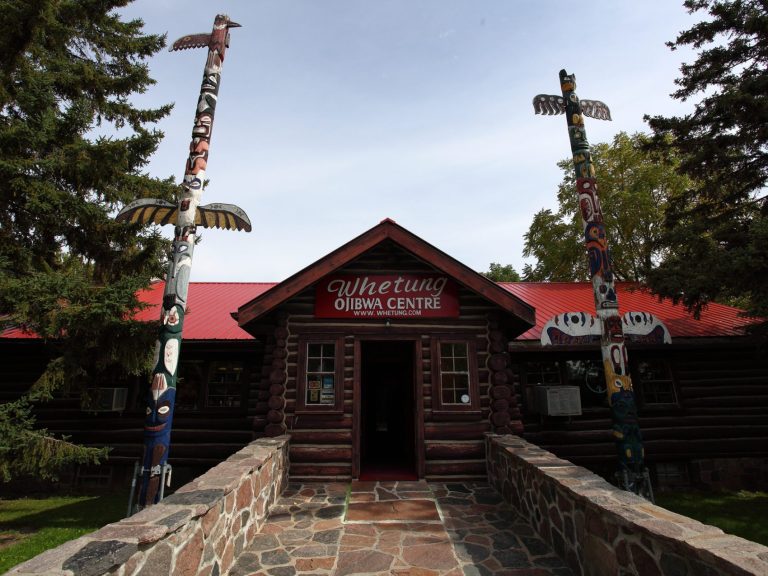
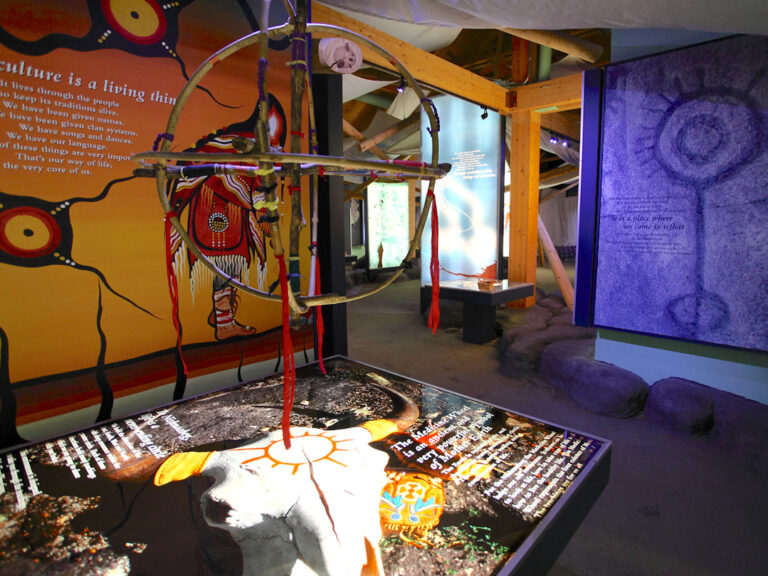
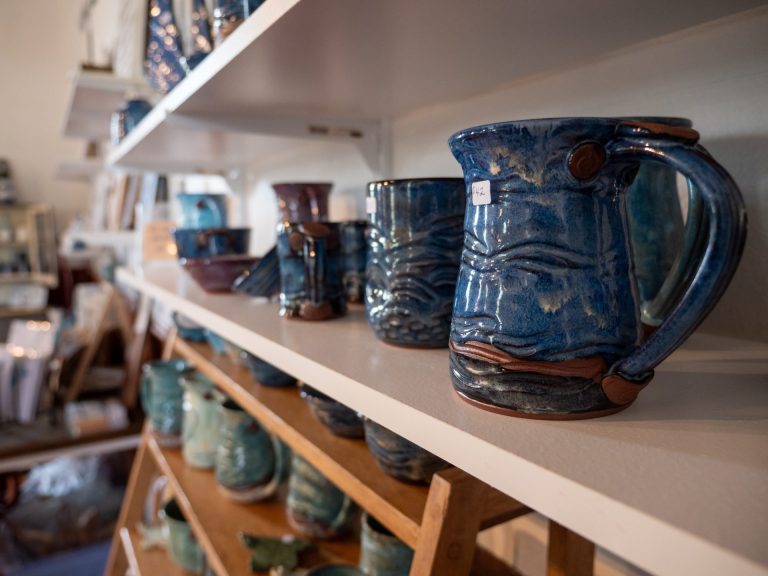
Whetung Ojibwa Centre offers a spectacular collection of crafts, including fine art, jewelry, leather work, and much more from Curve Lake First Nation and across Canada.
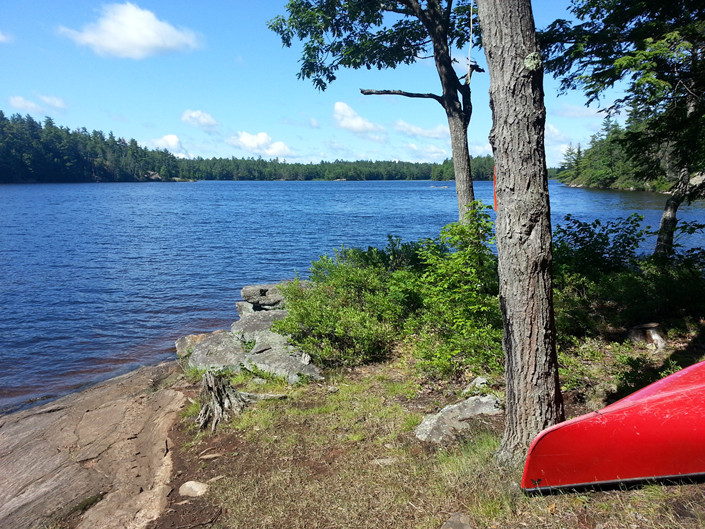
Explore the Buckhorn area’s rugged beauty by canoe or kayak with a paddle out to Wolf Island Provincial Park, located between Lovesick Lake and Lower Buckhorn Lake.
The largest known collection of Indigenous rock carvings in Canada is just a short drive from Buckhorn. Save some time to go hiking out to McGinnis Lake, too!
Buckhorn is a great spot to fuel up before hitting one of the western access points for Kawartha Highlands Provincial Park, the largest park in southern Ontario after Algonquin.
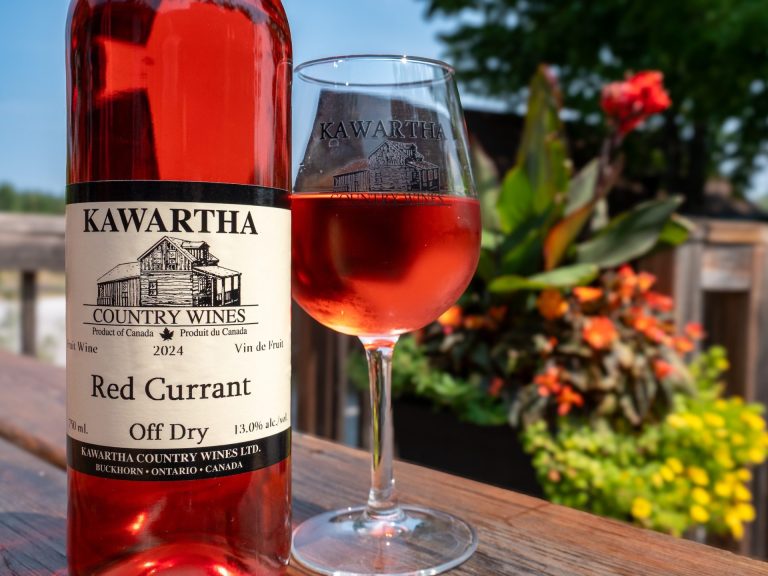
Kawartha Country Wines, a family-owned winery just outside town, boasts an extensive collection of fruit wines, cider, vinegar, and preserves. Be sure to inquire about tours and tastings.
Originally named Halls Bridge, Buckhorn was settled by John Hall in the late 1800’s. His love of deer hunting and his entrepreneurial spirit encouraged him to build a grist mill on the little island below his dam. The antlers of his bucks hung with pride outside the mill, later inspiring the name Buckhorn. The area progressed to lumbering, thriving for many years before eventually evolving towards tourism. The names of early visitors can be seen written on the bricks of Cody Inn Restaurant, formerly known as The Windsor Hotel. This landmark inn and other venues hosted guests from all over the northern states who arrived by horse and buggy. They were provided shore dinners and experienced guides who would spend the day paddling their guests in the pursuit of plentiful fish.